Casino Operator Japan
A year has elapsed since the approval of the law permitting the creation of so-called integrated resorts, which will incorporate Japan's first legal gambling casinos.
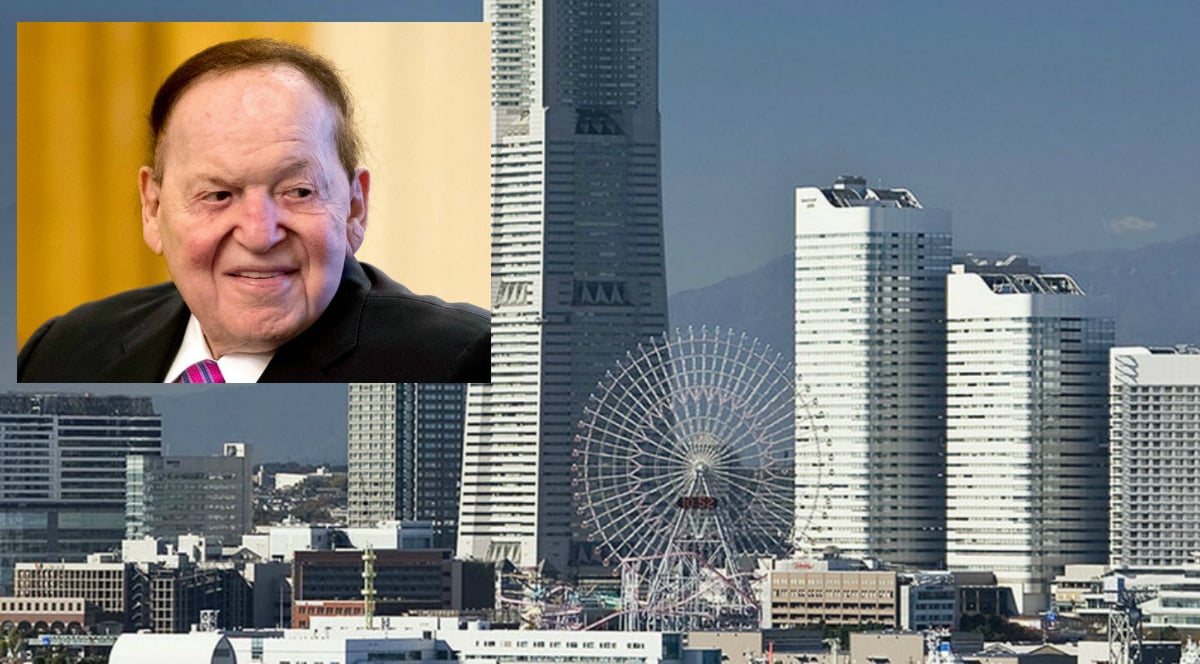
Uncasville, Connecticut, June 28 (Jiji Press)-Major U.S. Casino operator Mohegan Gaming & Entertainment unveiled on Friday a plan to launch an integrated resort including a casino in the. When Yokohama announced in August that the city will throw its hat into the ring in a bid to host a resort, U.S. Casino operator Las Vegas Sands Corp. Quickly issued a statement expressing its. Major international casino operators have shown interest in Japan, including U.S.-based Las Vegas Sands, MGM Resorts International, Caesars Entertainment and Hard Rock International.
Expectations are high that the new IRs will contribute to tax revenues and provide new employment opportunities, although deep-rooted resistance remains due to concerns that they may attract high rollers with a gambling dependency.
Yukan Fuji (Aug 18) reports that American majors in the gambling trade have been turning on the pressure to provide management knowhow through local tie-ups. On July 24, a seminar was held in Everett Massachusetts, a suburb of Boston. Chris Gordon, president of Wynn Resorts Development Japan, informed assembled members of the Japanese media that 'We hope to get involved in projects in such major cities as Tokyo, Osaka, Yokohama,' and that he expected the resorts would create as many as 16,000 jobs.
The venue for the press event was 'Encore Boston Harbor Resort.' In response to local concerns over a possible increase in crime, Wynn had agreed to foot the bill for 20 additional members on the local police payroll. It also reportedly paid out over $65 million for roads in the area in the lead-up to its opening in June of this year.
Part of the message Wynn was hoping to convey to the nervous Japanese was that the resort had won approval of residents of the nearby academic district, where Harvard University and other institutions are located, just 6.5 kilometers away.
Casino Operator Japan Video
Wynn is said to have set its sights on a project to be located in Osaka Prefecture. Other U.S. rival firms, including MGM Resorts International -- which has reportedly tied up with Orix Corporation -- and Las Vegas Sands, are said to also be vying for influence here.

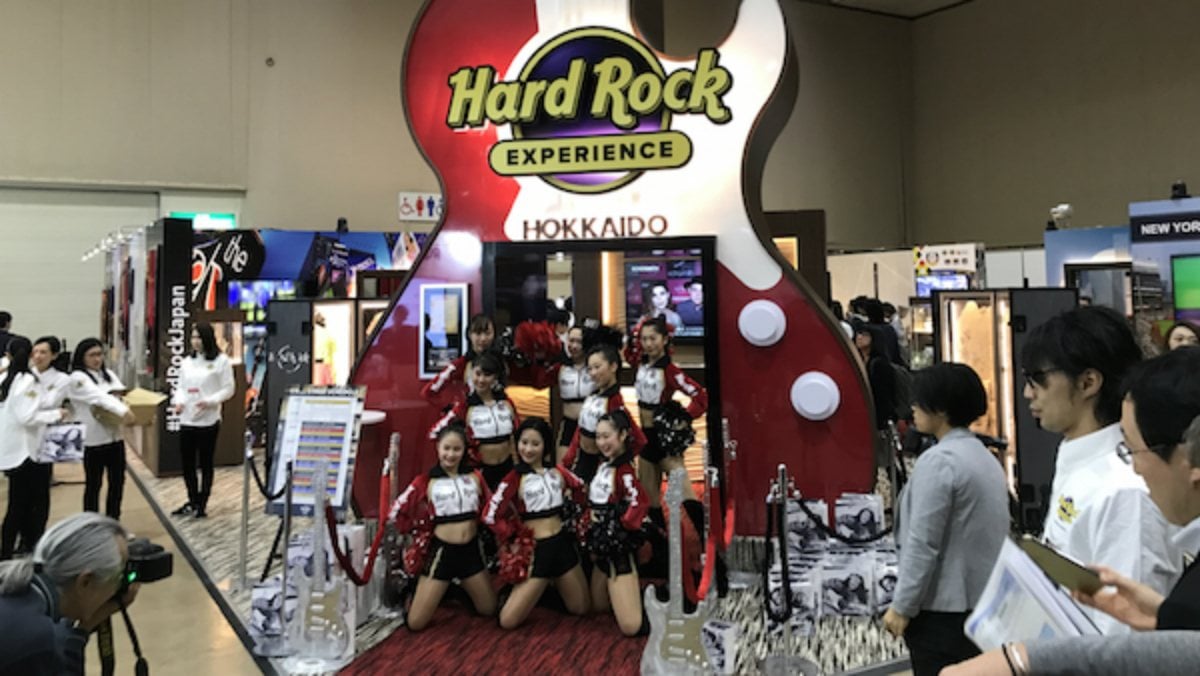
Efforts by American majors are not limited to big cities. In June, Connecticut-based Mohegan Gaming & Entertainment announced it had made proposals for summer resorts accessible from Tokyo, Seoul and Shanghai, as well as entry into Tomakomai City in Hokkaido, where skiing can be enjoyed in winter. Florida-based Hard Rock International, which currently operates 11 hotel casinos worldwide, is also said to considering a Hokkaido venue.
An industry expert tells Yukan Fuji one of the factors behind efforts to make headway in Japan is that 'casino demand in Las Vegas has peaked, and further expansion there has become difficult.'
Wary over the problem of gambling dependency, Japan's IR law provide for such measures as restricting casino entry to thrice weekly or a maximum of 10 times a month. In addition, Japan residents will be charged a casino entry fee of 6,000 yen per adult.
Dr Bo Barnhard, an authority on gambling addiction on the faculty of the University of Nevada Las Vegas, pointed out how Singapore, after opening its first casino in 2010, adopted various countermeasures and treatments to deal with gambling addition. As a result, gambling-related problems incurred at the workplace or in personal relationships subsequently declined in the island nation 'to a level below what existed prior to the legalization of gambling,' Barnhard said, adding, 'Japan can also harness this kind of foreign knowhow.'
As new integrated resorts begin operating from the first half of the 2020s, one of the pending major issues will be how Japan's national and local governments harness various precautionary measures to alleviate these concerns.
© Japan TodayJapan gets ready to issue resort casino licenses
Japan is planning to set up a casino commission with a board of five people on January 7, 2020. This new, independent body will be overseeing matters of security for the country’s burgeoning casino sector.
The commission will conduct background checks and investigations into the operators that will be chosen to manage the casino resorts in Japan. The staff of these operators will also be under the scope of these investigations. There will also be another division of this new commission focusing on public policy relating to gambling addiction.
commission will conduct background checks and investigations into the operators
Each of the five board members will have to get approval from the Japanese government and serve a five-year term. The commission as a whole will have about one hundred staff.
Approval for this new board came following the adoption of an ordinance by Prime Minister Abe’s cabinet. The independent agency will be operating with the approval of Japan’s Cabinet Office.
Draft policy for casino resorts released
Commercial casino legalization in Japan came about in December 2018 after the legislature gave authorization for three resort casinos in the country earlier in the year. The locations and operators for these licenses have yet to be chosen.
Casino Operator Japan Museum
The final integrated resort policy is set to be published by the Japanese government in early 2020.
Public opinion in Japan
There has been a lot of constant backlash from opposition political parties and the general public over the upcoming introduction of the resort casinos.
The latest poll from Jiji Press shows that nationally, 57.9% of the public is against having the three new integrated resorts. Just 26.6% of people are in support of the resort policy. Despite the ongoing opposition throughout the legislative process, conservative politicians in the country have been pushing forward with these measures.
Once opened, the integrated resorts will be a massive driver for tourism in Japan. It is also believed they will create jobs and generate tax revenue for the government.